
FIRST STEPS
AION 2 Beginner Guide 2026: Classes, Progression and First Steps
A complete AION 2 beginner guide covering class choice, combat, progression, builds, dungeons and efficient resource planning.
AION 2 combines manual hit-confirm combat with a large open world, free flight and a broad PvE structure. This guide puts the key decisions in the right order so that your early progress is not only fast, but purposeful.
01
A practical route through your first week
Do not treat week one as a race to clear every map icon. Unlock systems through the campaign, solve the one bottleneck slowing you down and use limited rewards before they expire.
Phase 1 · Learn
PRIORITY
Push the main quest and learn movement, flight and your core rotation.
AVOID
Clearing every side quest or maxing early gear.
Phase 2 · Fix the bottleneck
PRIORITY
Target level, weapon, defence or mechanics when the story becomes inefficient.
AVOID
Grinding normal enemies without a specific goal.
Phase 3 · Stabilise
PRIORITY
Build one working PvE Stigma setup and unlock reliable solo and party content.
AVOID
Spreading materials across every slot and several builds.
Phase 4 · Prepare the reset
PRIORITY
Use expiring rewards, clean inventory and plan week two.
AVOID
Forcing wipe-heavy content while safe rewards remain.
02
Leveling: keep the campaign as your default route
Follow the main quest while progress is smooth. When a fight becomes inefficient, leave only long enough to identify and fix the cause, then return. Side quests are best when they sit on your route or reward the exact resource you need.
Low damage: check weapon, rotation, hit windows and offensive Stigmas.
Low survival: learn the mechanic first, then review defence and consumables.
Access blocked: target content that raises item level or grants the required unlock.
03
Choose a role first
Clear recommendations for your next step in Atreia.

MELEE · DAMAGE
Gladiator
An uncompromising frontline fighter built for pressure, control and heavy weapons.
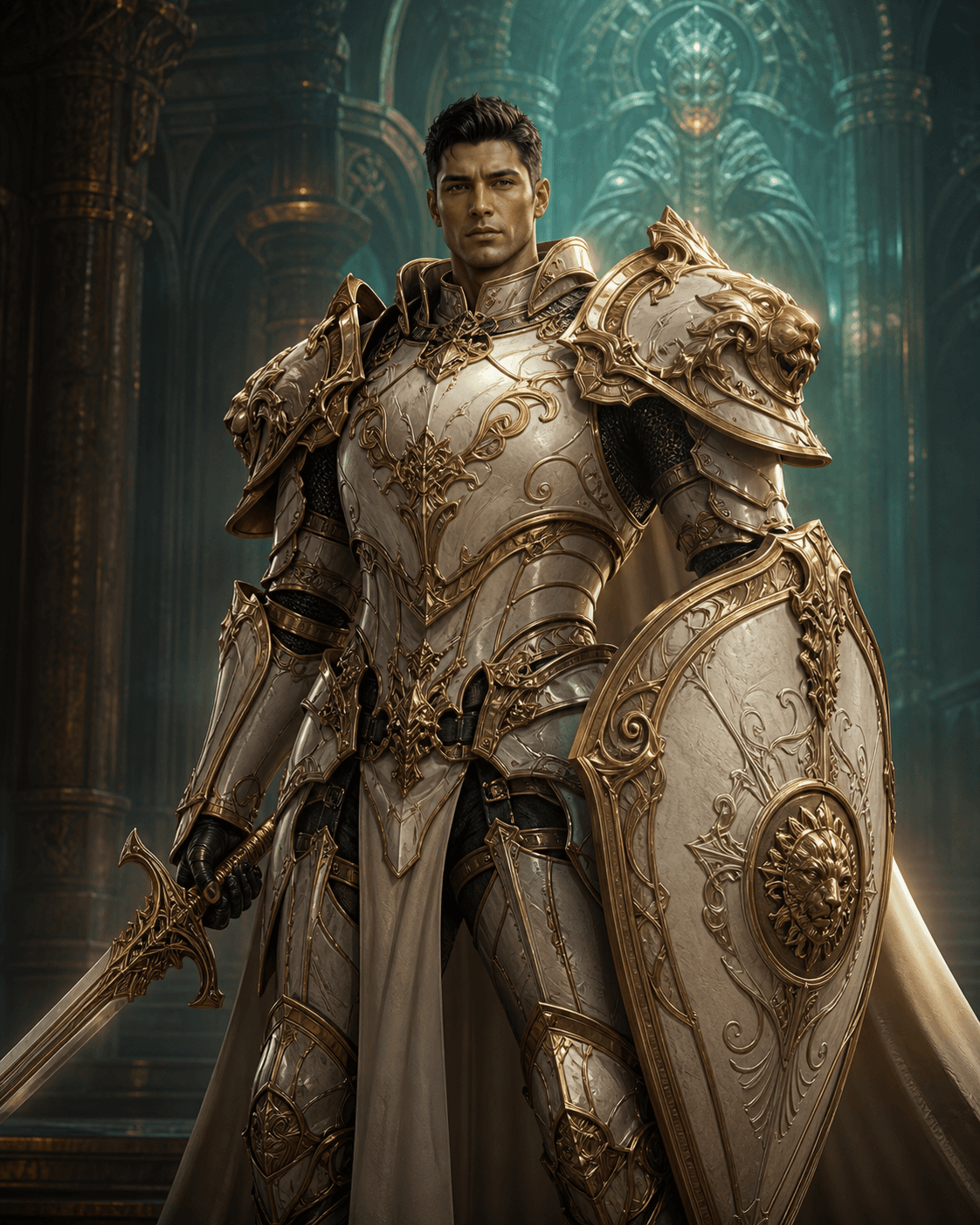
MELEE · PROTECTION
Templar
A steadfast protector who draws attacks and shields the group.
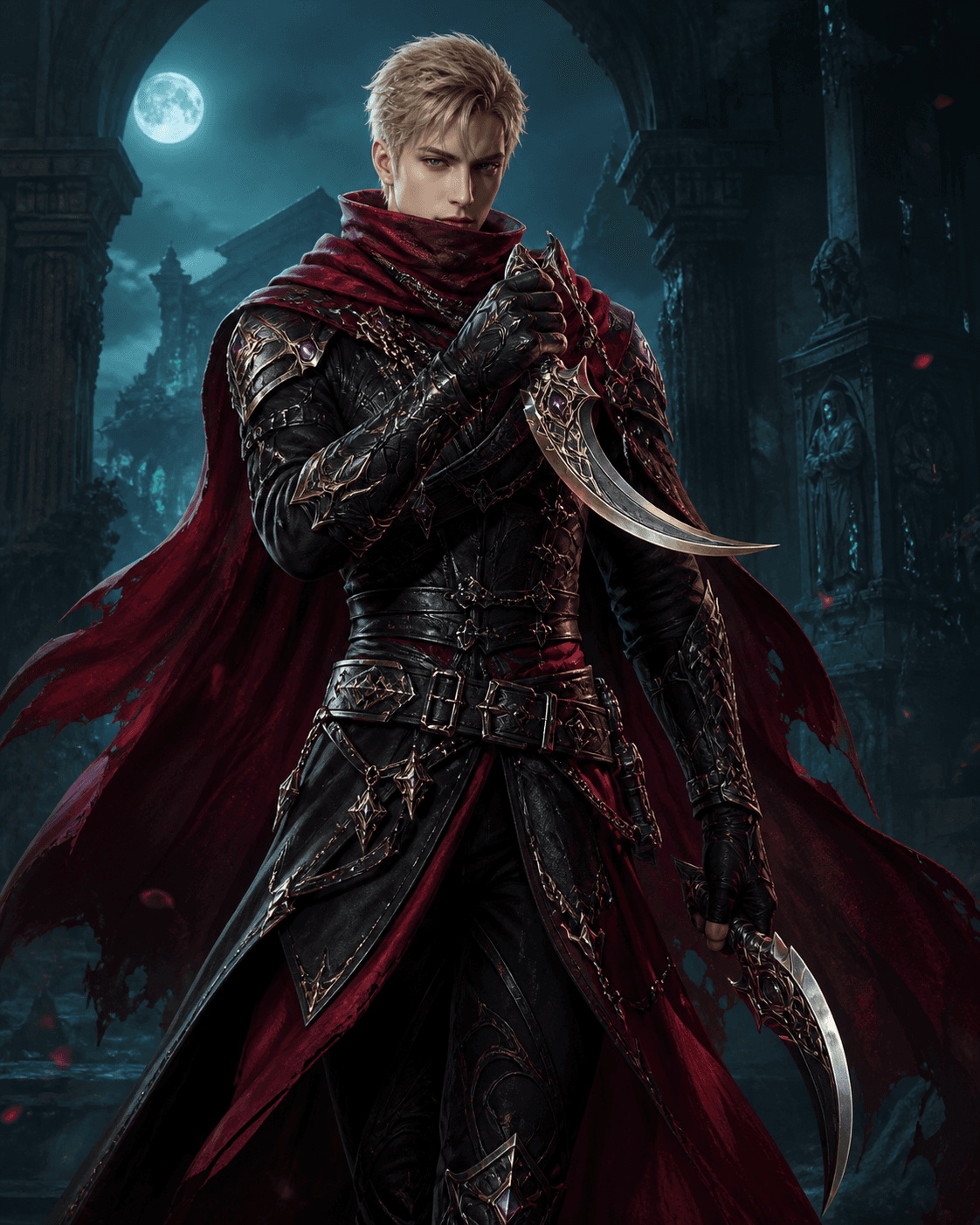
MELEE · BURST
Assassin
Fast blades, precise openings and maximum impact from the shadows.

RANGED · DAMAGE
Ranger
Mobile, accurate and dangerous before the fight has even begun.

RANGED · MAGIC
Sorcerer
Arcane power for wide-area damage, control and explosive combos.

RANGED · CONTROL
Spiritmaster
Commands spirits and elements to shape the battlefield.

SUPPORT · HEALING
Cleric
Keeps allies in the fight and turns protection into a strategic advantage.

SUPPORT · EMPOWERMENT
Chanter
Combines combat and support through rhythms, staff techniques and group buffs.
04
Gear: invest until the next reliable reward source
Early gear unlocks progress; it is not your final best-in-slot set. Improve the real weak point and stop once the campaign or next instance is stable. Check transfer rules before expensive upgrades.
- 1
Weapon is usually first for damage and solo progress.
- 2
Then replace the two or three weakest slots instead of upgrading everything.
- 3
Use temporary gear for access, but protect rare optimisation materials.
- 4
Buy only when an item fixes a clear bottleneck or opens new content.
05
Stigma: build one coherent setup first
Stigmas should strengthen the job you actually perform. Start with one dependable PvE setup for campaign and early instances; PvP, farming and specialist variants come later. Slot counts and upgrade caps may differ by region.
DPS: executable rotation, boss uptime and resource flow.
Tank: threat, mitigation, control and emergency tools.
Healing: reliable healing, cleanse and survival before extra solo damage.
Support: party buffs balanced with enough solo damage.
06
Your path through PvE
Use the official activity formats to find your next challenge. Nightmare is a separate solo mode, not a difficulty setting.
SOLO
Sealed Dungeons
Short solo runs in starting regions, including progression for skill points.
GROUP · ENDGAME
Transcendence Dungeons
Demanding endgame group instances, including Arcana card rewards.
GROUP INSTANCES
Expeditions
Classic PvE instances for gear, gold and shared boss encounters.
RAID
Sanctuary
The large endgame raid format with coordinated groups and multi-stage boss mechanics.
SEPARATE SOLO MODE
Nightmare
Special solo boss encounters. Nightmare is separate from Normal and Hard.
Use the official activity formats to find your next challenge. Nightmare is a separate solo mode, not a difficulty setting.
07
Daily and weekly routine
Once core systems are open, keep the loop simple. Limited rewards carry more time value than farms that remain available later.
- 1
Check remaining daily and weekly rewards and the server reset time.
- 2
Complete quick progression tasks and safe high-value rewards first.
- 3
Spend Odyle Energy where the reward pool best addresses your bottleneck.
- 4
Choose one later focus: gear, Stigma, Kina, crafting or mechanic practice.
- 5
Clean inventory, restock consumables and prepare the next party activity.
08
Five common beginner mistakes
×Choosing only from a temporary tier list.
×Clearing every icon and delaying campaign unlocks.
×Using rare materials on gear replaced within hours.
×Treating Nightmare as a normal difficulty instead of a separate solo mode.
×Assuming Korean values, party sizes or limits are global launch rules.
09
AION 2 beginner FAQ
What is the best beginner class?+
The class whose role and range you enjoy. Forgiving frontline or ranged classes can ease learning; tanks and healers take on party responsibility earlier.
Should I level or run dungeons first?+
Keep the campaign as your default. Use dungeons when they unlock a system, solve a power bottleneck or offer a limited reward that is about to expire.
Should I save materials?+
Save rare long-term resources. Cheap upgrades are worthwhile when they stabilise progress or open the next content tier.